My Role
Co-Founder
2014-2015
GuestWhat was a social dining marketplace connecting local hosts with guests for hosted dining experiences.
2014-2015
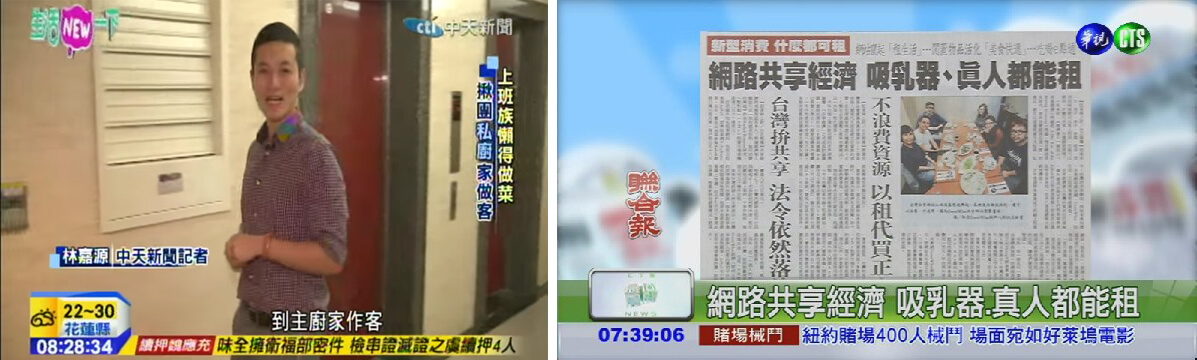 News Coverage
In just one year (2014–2015), GuestWhat hosted 50+ events, supported home-based entrepreneurs in boosting their income, and attracted over 400 participants. Through GuestWhat, people discovered new friendships and connections. At the time, we were also among the few O2O platforms in Taiwan that integrated with a third-party payment provider.
GuestWhat was a private home food-sharing platform built for people who believe food connects us all. We designed a new way for foodies, travelers, and curious explorers to experience meals together.
Along the way, we focused on continuously improving the user journey to make every connection through GuestWhat warm and memorable.
Through GuestWhat, you could:
1. Turn your kitchen into a home-based restaurant.
2. Visit another food lover’s home, share a meal, and make new friends.
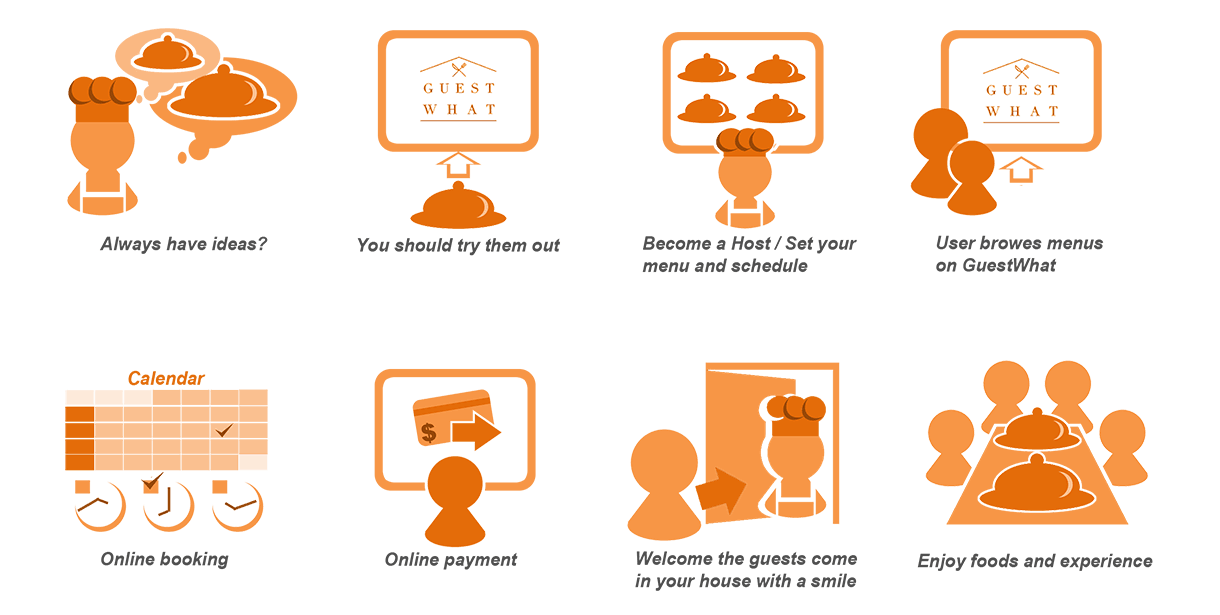 How It Works
Once we had the initial idea, we researched market conditions and competitors. With those insights, we created an MVP: a simple reservation page that served as our first product. We launched it online to let participants try it out and to collect valuable early feedback.
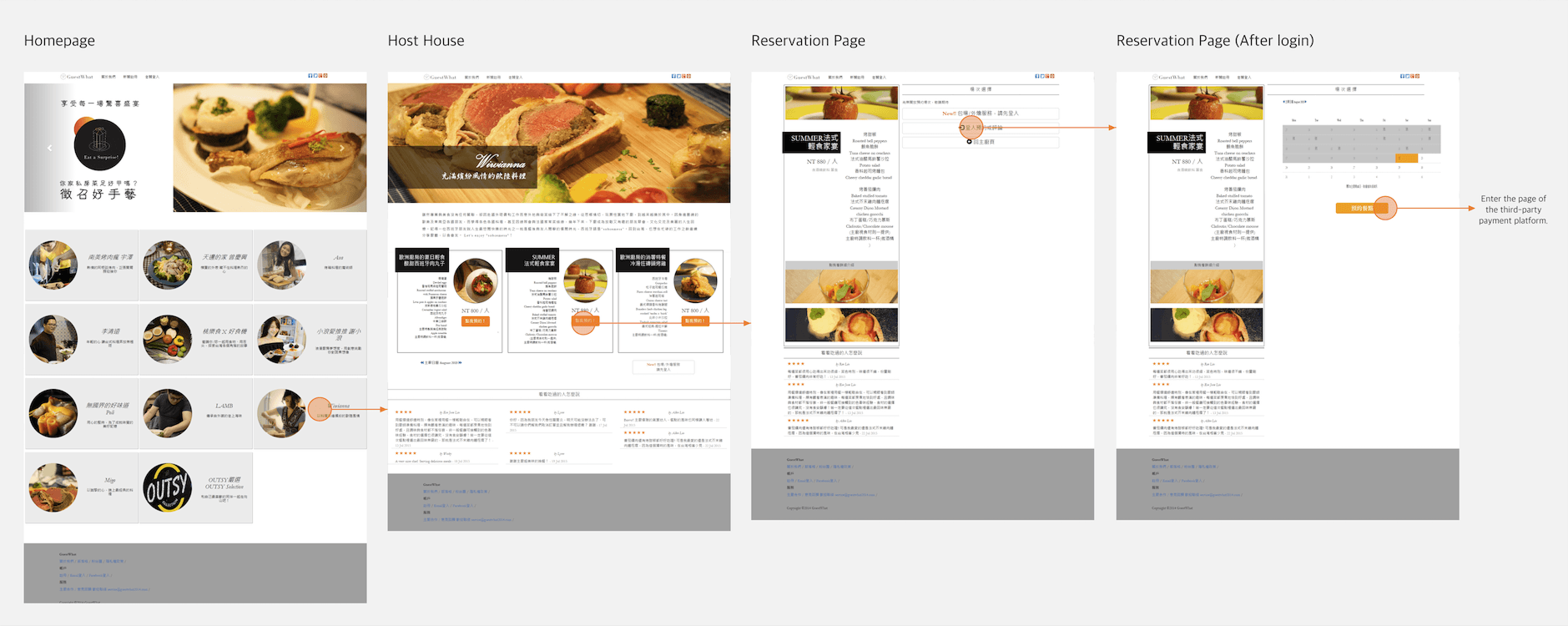 The MVP beta version.
We originally aimed to connect local people through food-sharing gatherings. But three months after launch, it became clear that locals were not very engaged. Interestingly, tourists showed high interest in experiencing a meal at a local’s home.
Conducting User Research Again After the MVP.
We extended our reach to key stakeholders in real life. Over three months of testing, we collected 208 responses and conducted 24 interviews. This allowed us to uncover the challenges users faced when making reservations, as well as their feelings and behaviors during the events.
In addition to user interviews and surveys, we also joined events as disguised guests to experience the entire service flow firsthand.
By observing and talking with real participants, we gained valuable insights:
。 How hosts actually deliver their services to guests.
。 What guests truly think and feel about the product.
。 Whether each service touchpoint feels seamless and reasonable from a user’s perspective.
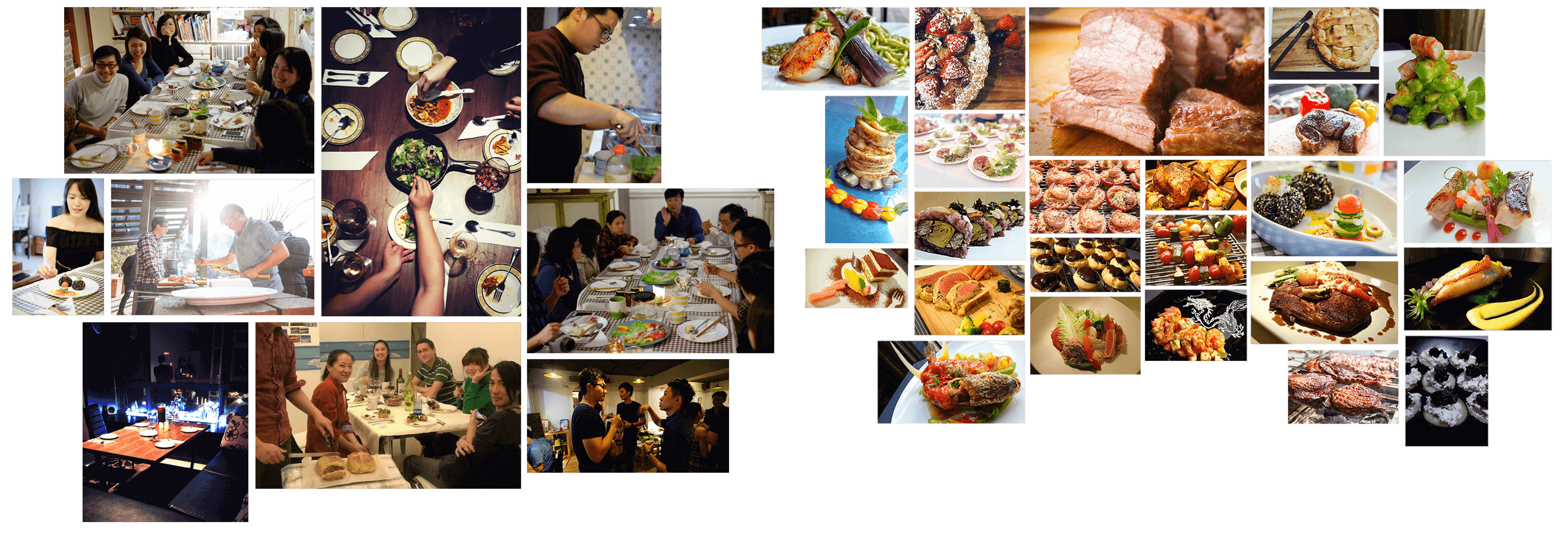
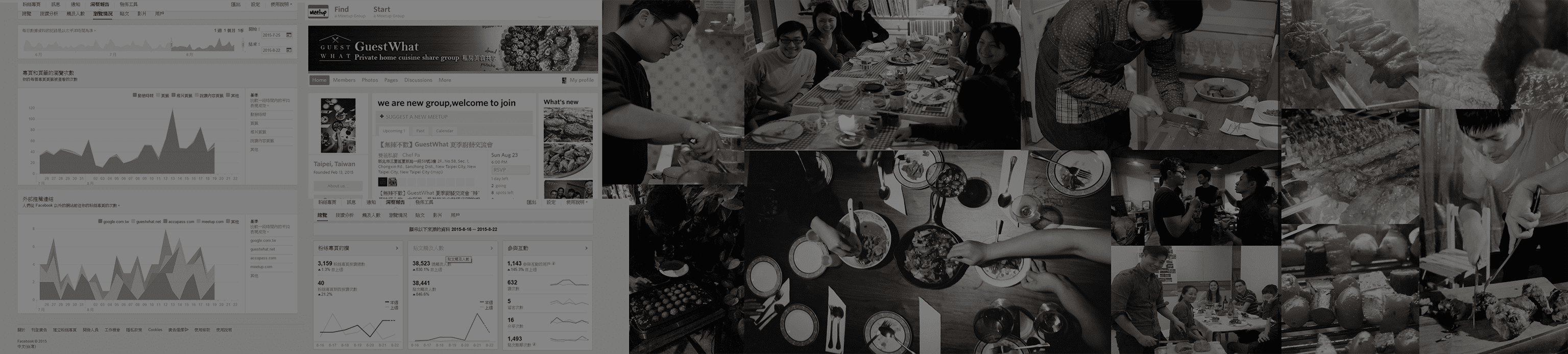 Social Network Data & "GuestWhat" Event Photos
We organized workshops and open discussions with our hosts to gain a deeper understanding of their needs, challenges, and expectations for the platform.
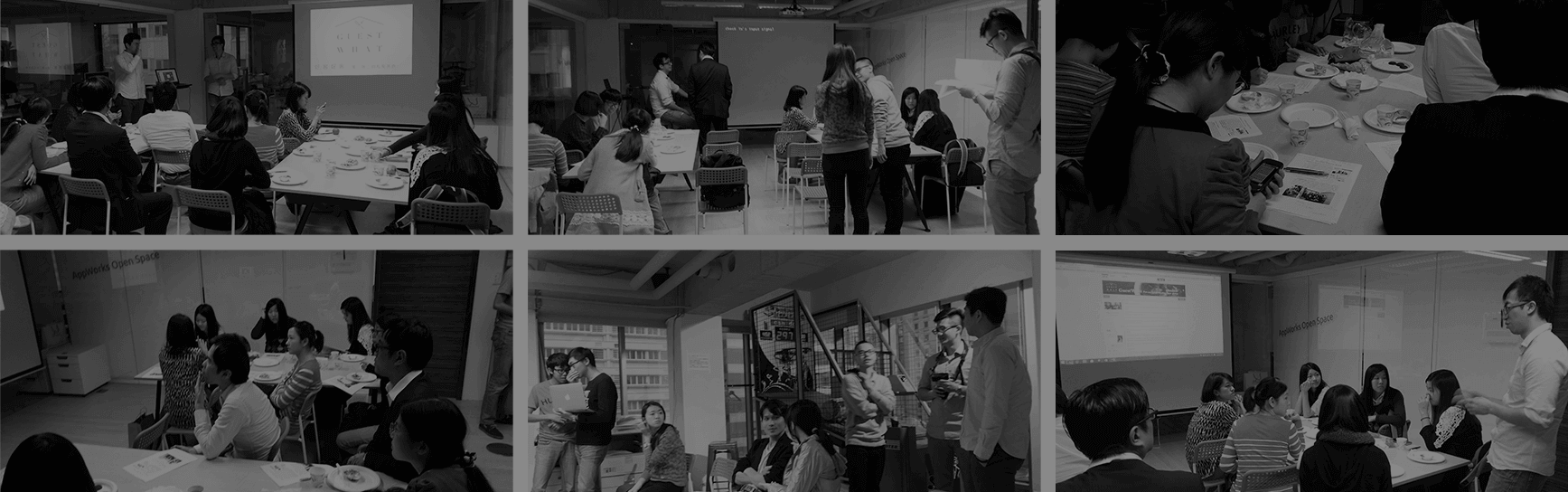 Seminar with GuestWhat hosts
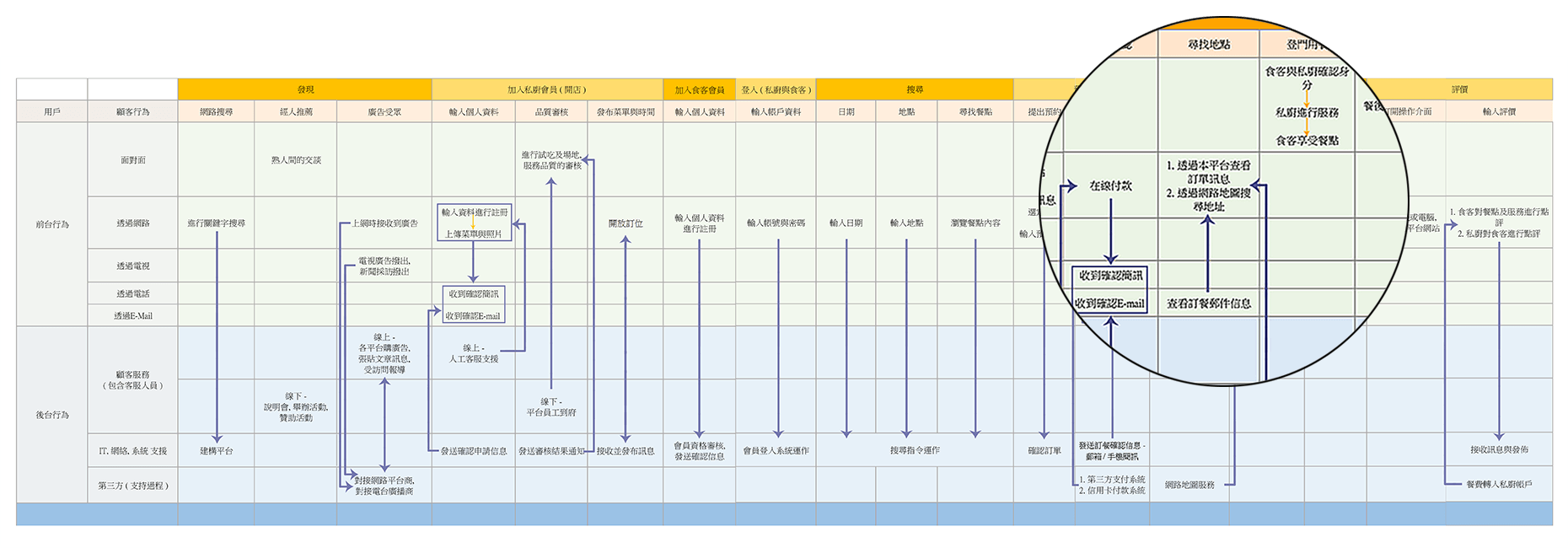
Eventually, I established a new service blueprint, which clearly shows the contact points between the guest, host and GuestWhat platform Parties (including online and offline).
On the current service blueprint, the Guest needs to go through at least 16 steps, the host needs to go through at least 12 steps. Therefore, there are many tasks for users to follow.
So, we prioritize and figure out what we can do, what needs to be first done and when. We have selected a few key issues that need to be solved first.
Since the product and operations are quite complex, it’s hard to show everything. In the following content, I’ll share only selected business and product outcomes. 🥹🥹
Based on user feedback and our research, we brainstormed how to improve the old pages and new plans.
We removed unnecessary elements, kept the feasible ideas, and incrementally redesigned and optimized the platform.
Such as:
。 Coupons and discounts to boost user engagement.
。 Improved location search for clarity.
。 Direct guest-to-host communication.
。 Countdown timers for meal listings with priority reservations.
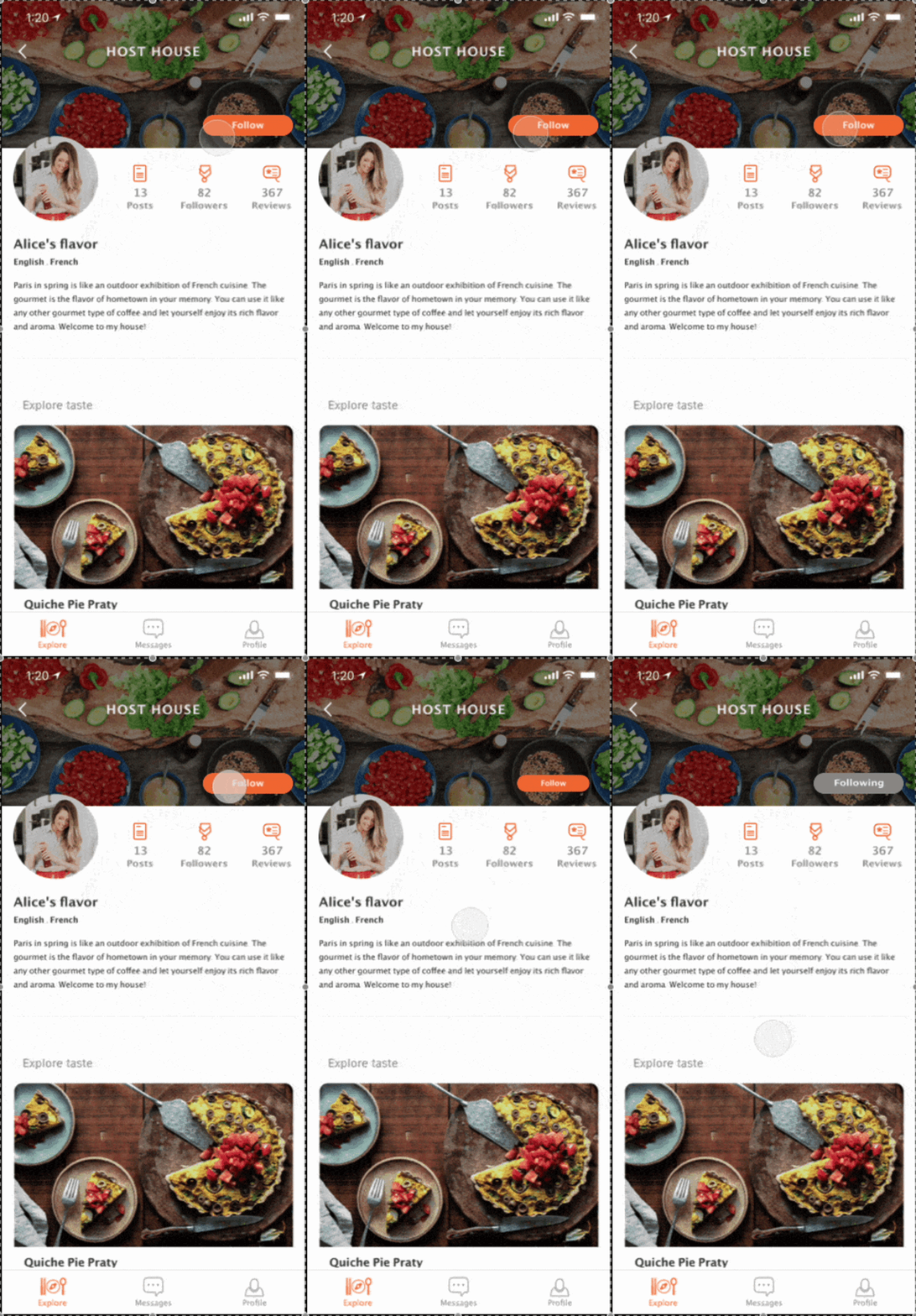
。 Enhanced host profile pages to better showcase themselves and their food.
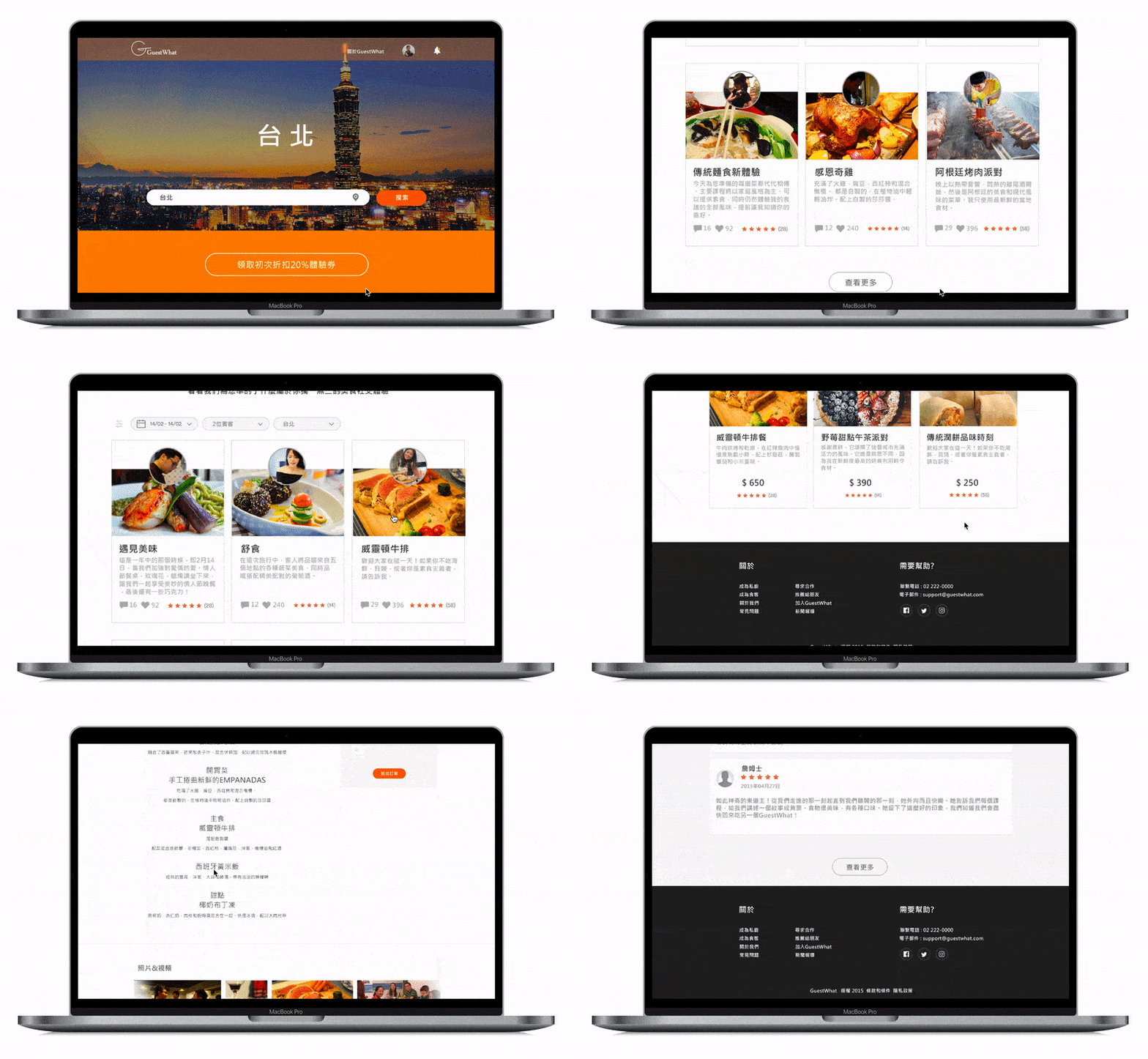 GuestWhat v2.0
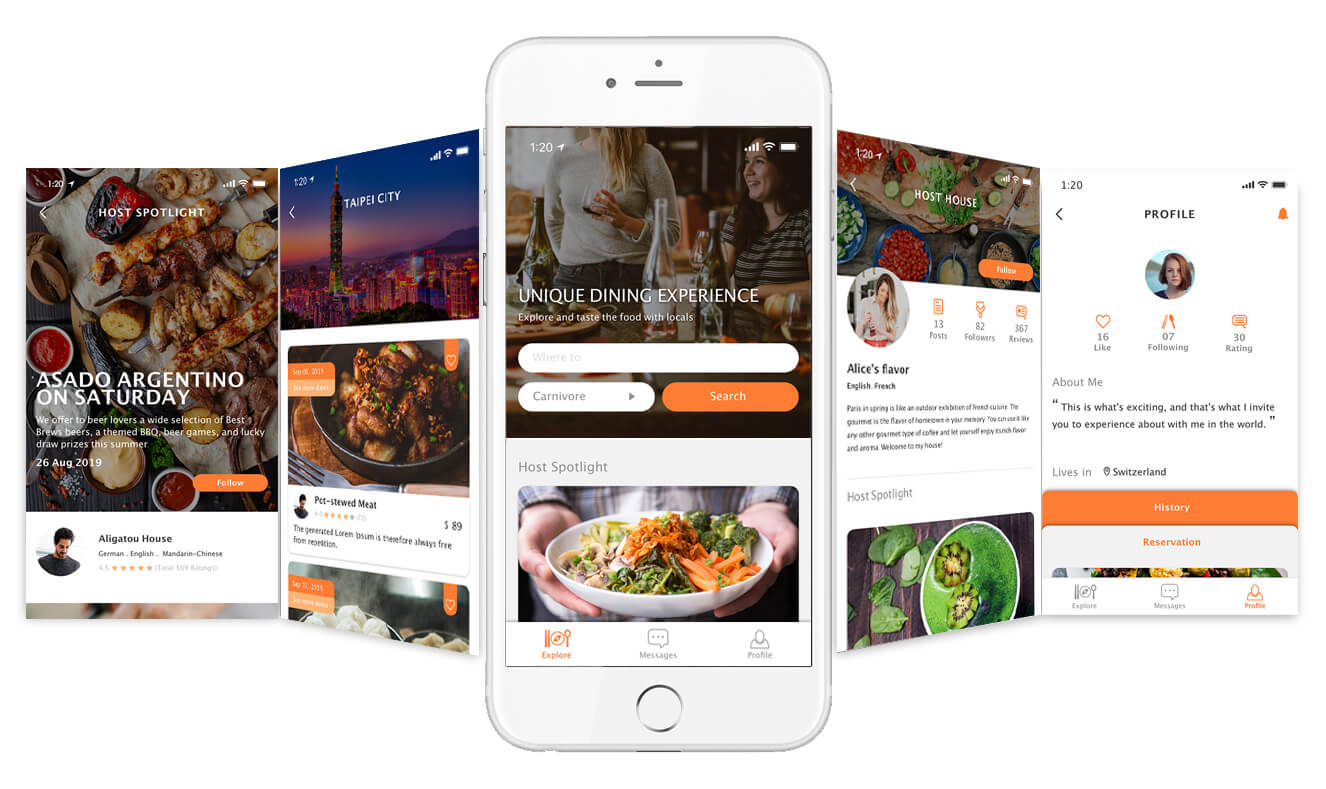 APP Concept
Since visitors’ patience varies, if we don’t provide the information they want right away, they may leave. To capture attention, we placed the search feature, positive reviews, and host posts prominently on the homepage.
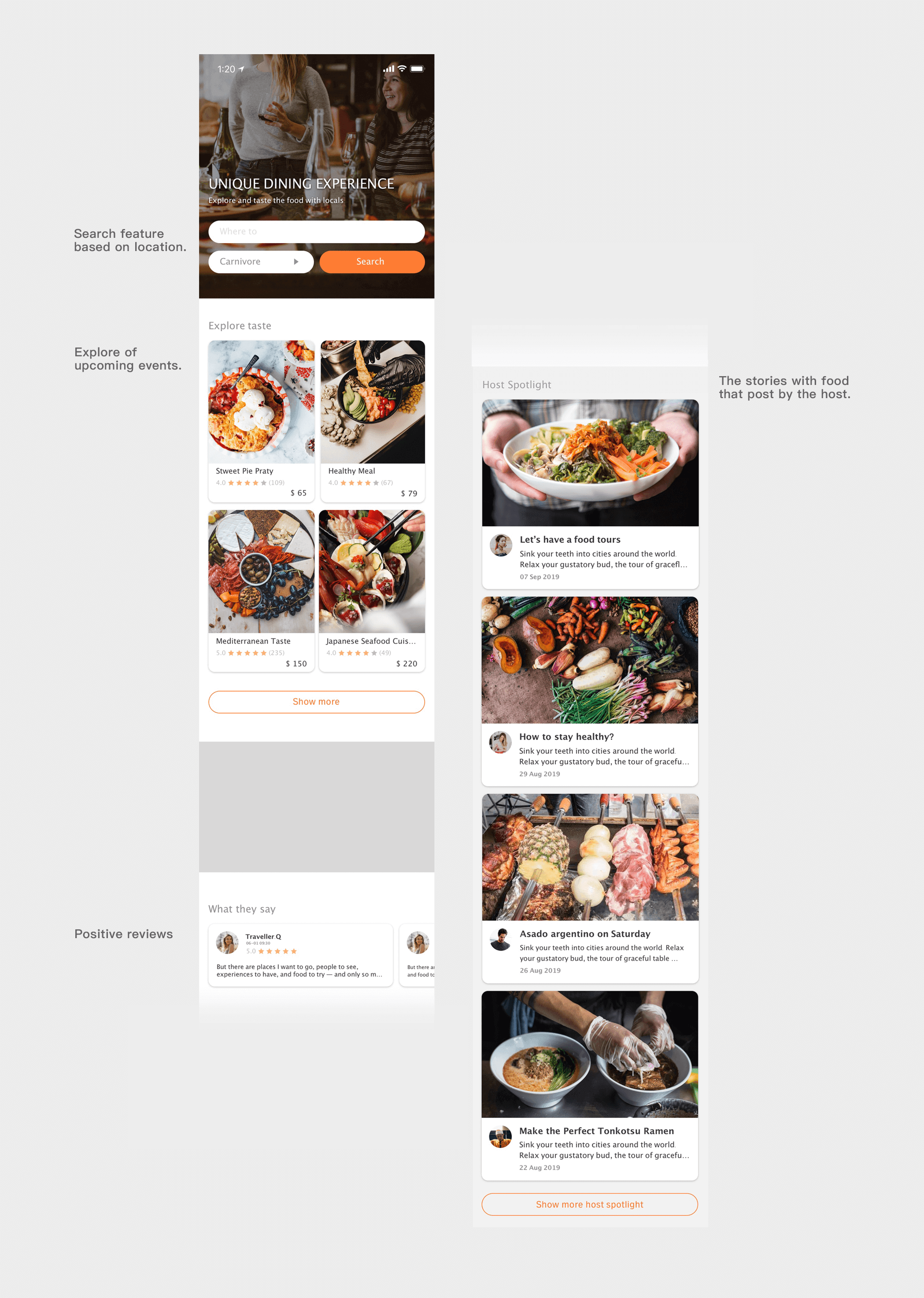 Homepage
Implemented card-based layouts to make navigation clearer and give users quick access to detailed information.
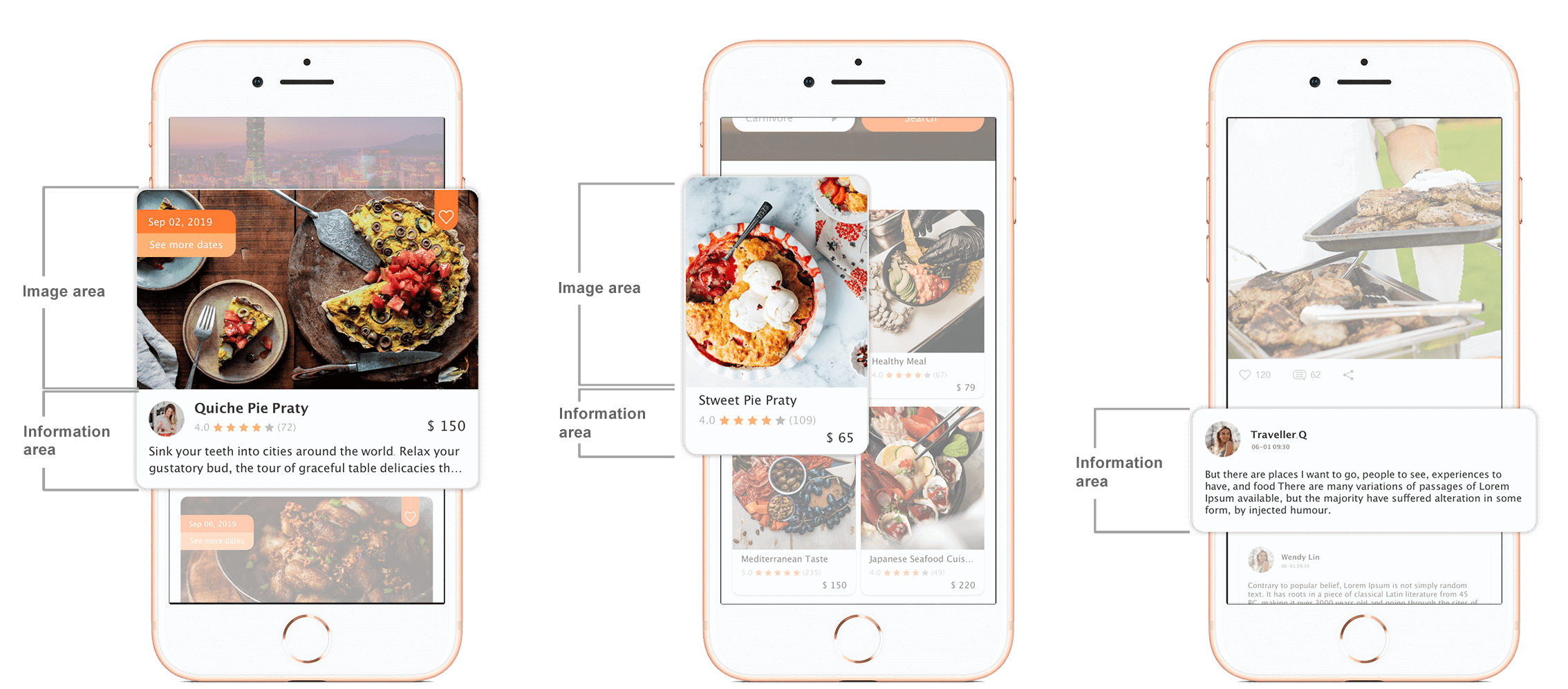 User Interface - Card
We introduced background colors as reminders: light backgrounds for daytime reservations, dark for evening. This intuitive design helps users instantly recognize their event time.
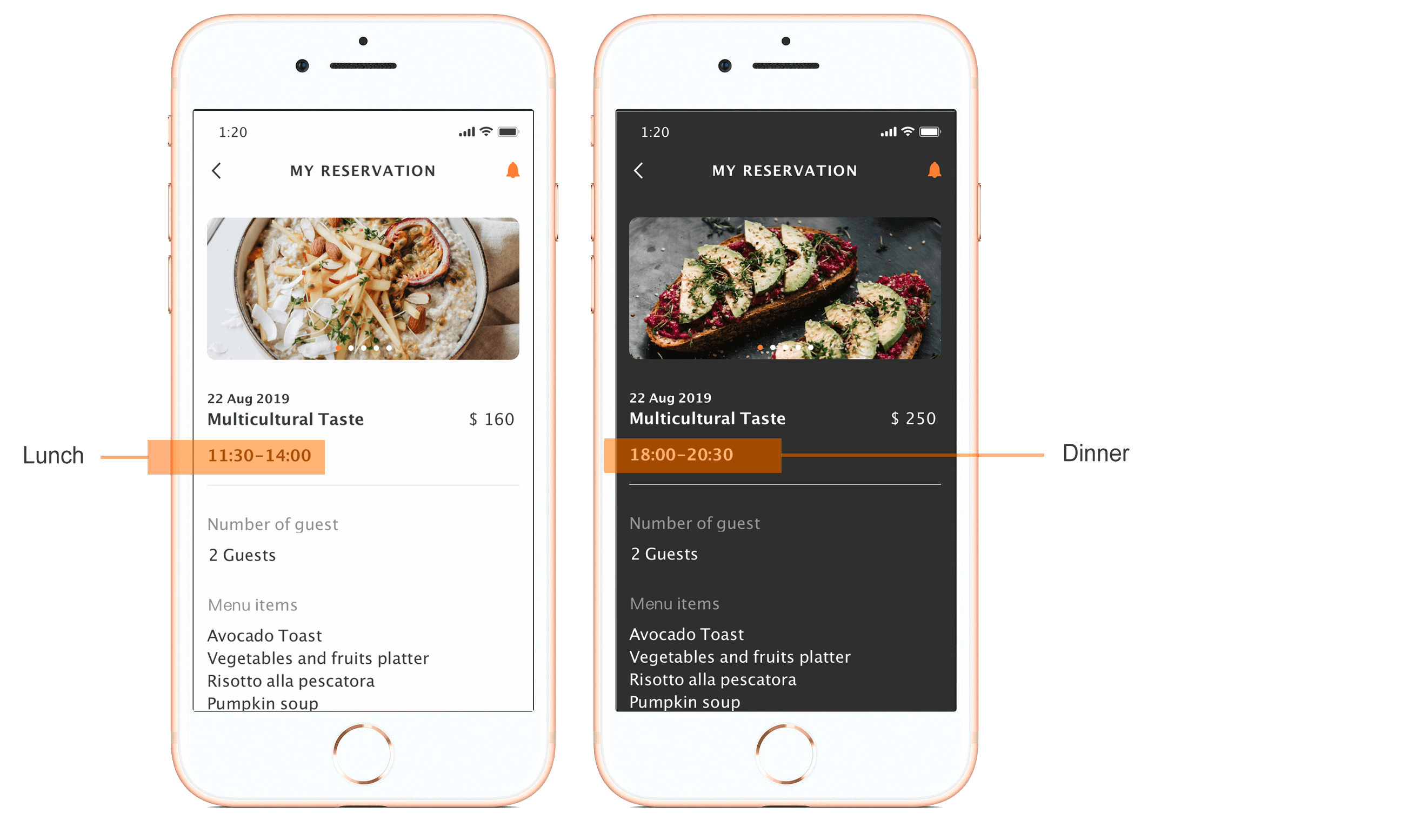 Order Detail Page
We provided a new space for host posts.
Hosts can post food-related content on the homepage to attract users. Features like messaging, bookmarking, and direct communication support host branding and strengthen user engagement.
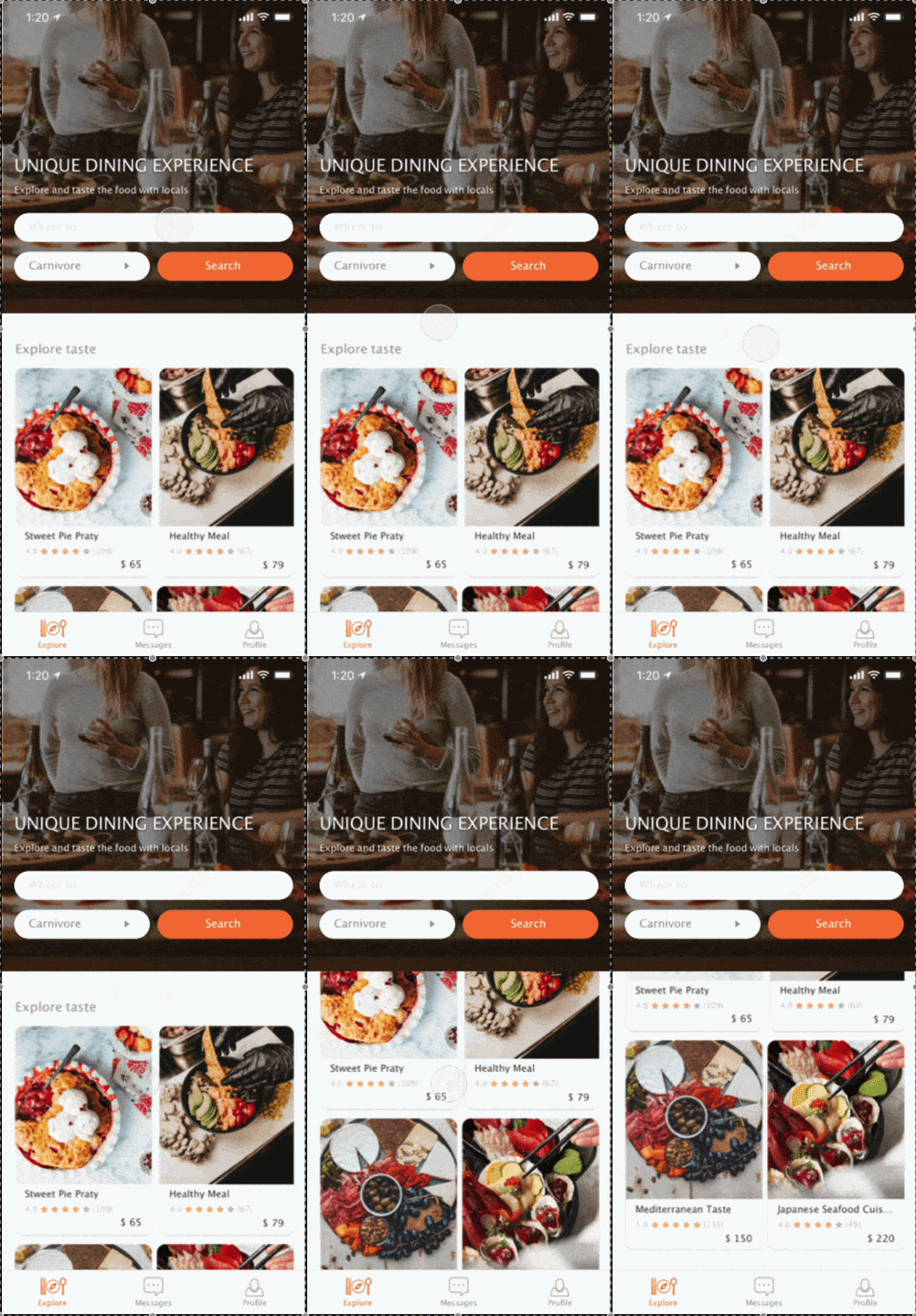 Host Posts
Hosts can more easily plan food combinations..
This feature helps hosts refine food combinations and allows guests to anticipate upcoming meals.
Meal preview pages let guests set reminders and bookmarks for launch dates, ensuring they never miss out on new dishes.
 Menu Preview
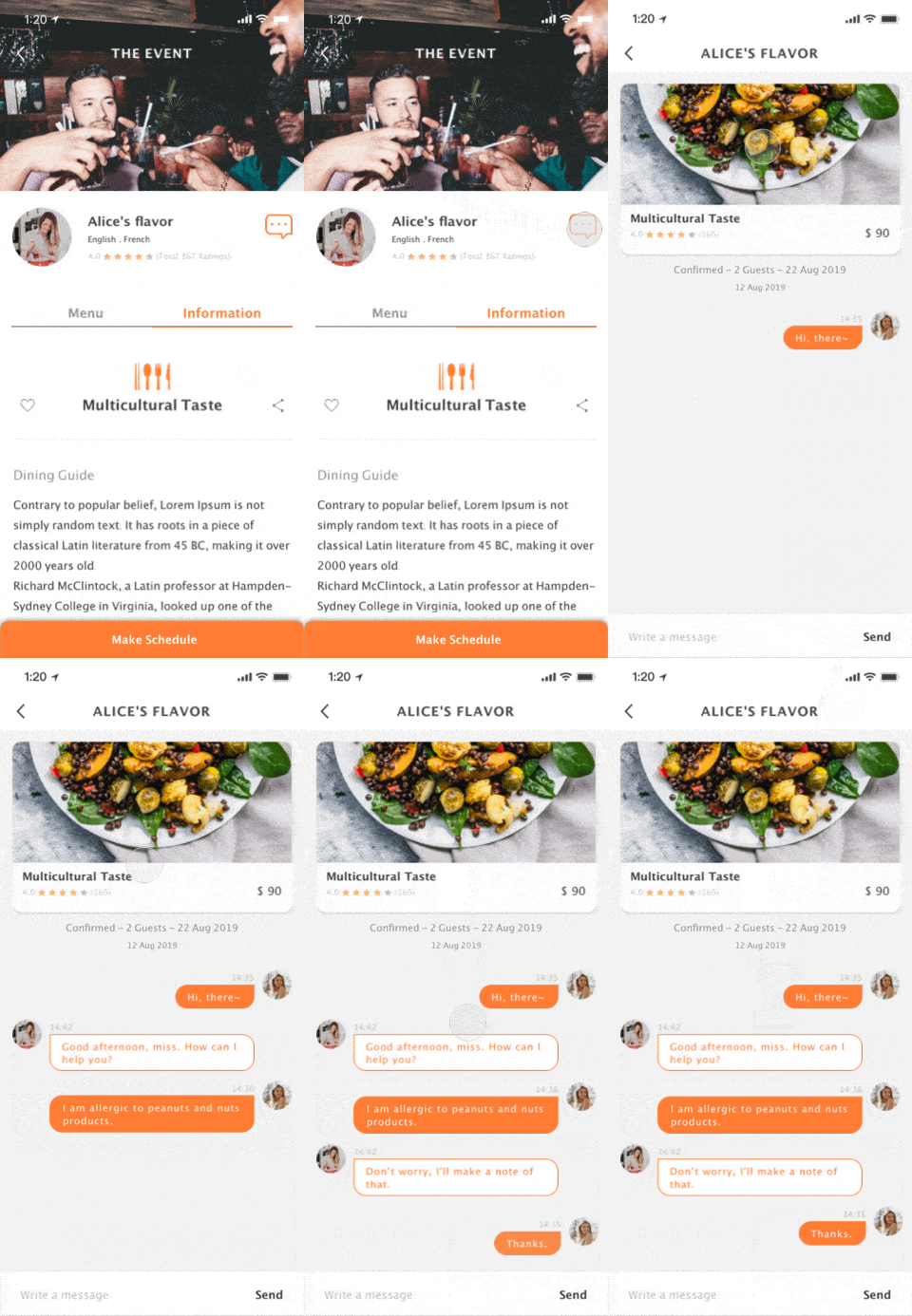 Messages
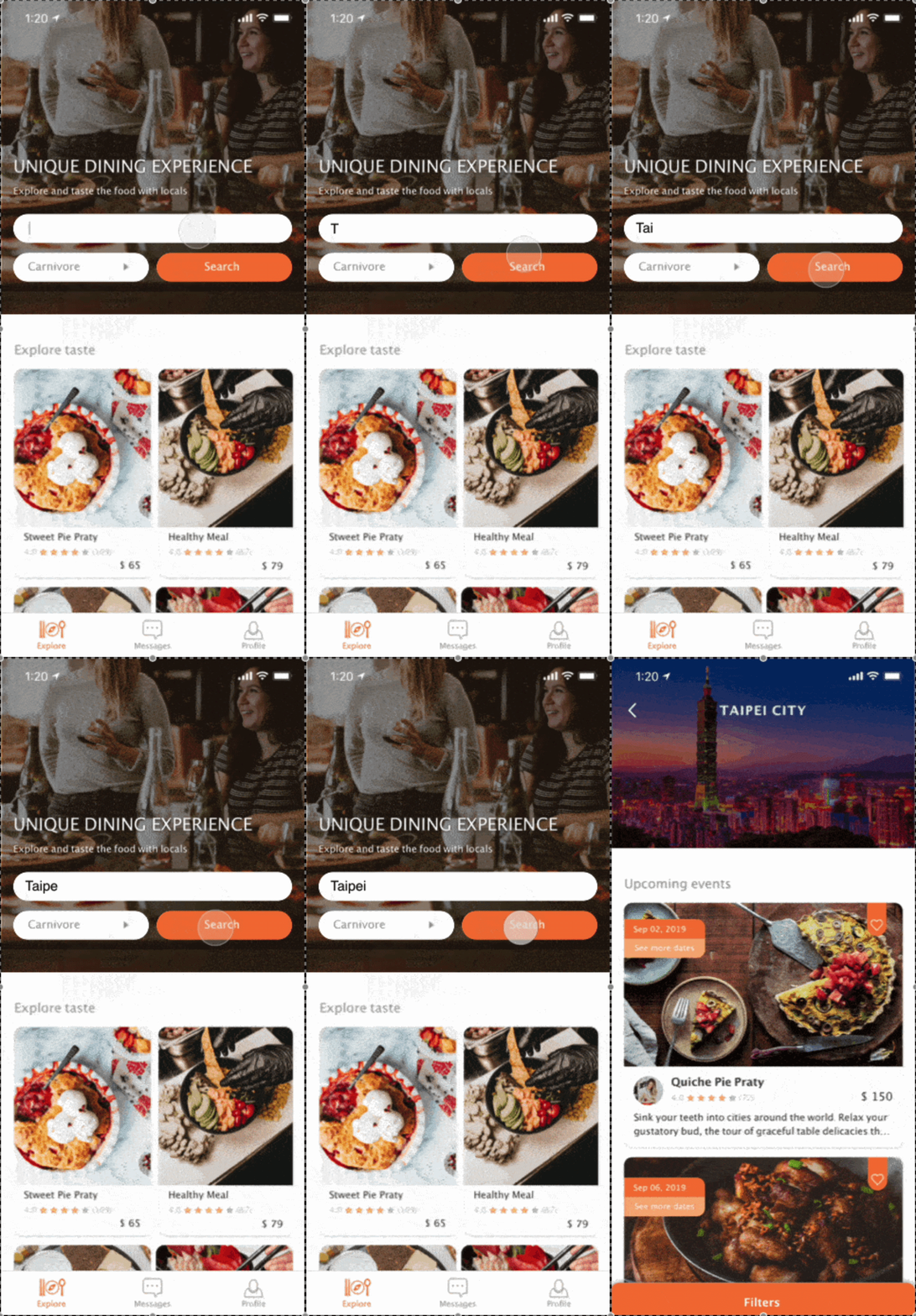 Search & Reservation
GuestWhat didn’t continue after a year. Yet as my very first startup, it opened my eyes, helped me discover more about myself, and fueled my path toward becoming a UX/UI designer and pursuing entrepreneurship again.😬
Back to UX/UI Projects →